Episode Transcript
[00:00:00] Speaker A: Food security to me is really about the availability. So having sufficient quantities, the access, so people being able to afford as well as have the ability to purchase the items, the utilization of the food. So it must be safe, prepared without contamination and the stability, the confidence in those systems that food will be there and despite those potential shocks to the critical infrastructure or the economic crisis or even a conflict where there's a cyber incident and the system's taken out.
So it's really how do we harden up those four key areas and make sure that we are food secure as a country?
[00:00:44] Speaker B: This is KBCarez as a primary target.
[00:00:47] Speaker A: For ransomware campaigns, security and testing and performance, risk and compliance. We can actually automate that, take that data and use it.
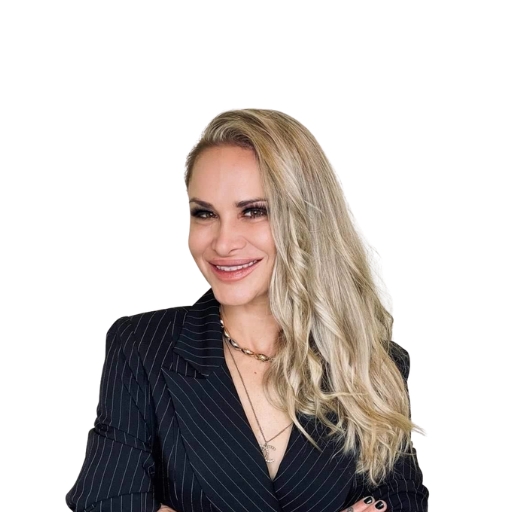
[00:00:59] Speaker C: Joining me now is Amberly Brady, founder at Real Food Price. And today we're discussing the next national security crisis isn't military, it's food. So, Amberly, thanks for finally joining me and welcome.
[00:01:12] Speaker A: Hello, kb. Thank you for having me. And I'm so excited to be on your show. I know it's been a long time coming, so awesome. I'm great. I'm happy to be here.
[00:01:21] Speaker C: Well, definitely worth the wait because one thing that's really interesting about this conversation is I haven't actually spoken about this topic. I've spoken about every other topic you can think, but not this one. So I'm really keen. I think it's going to be quite an exceptional interview. You obviously got a very strong background with your pedigree and also your experience. So I want to start there. Now, you sort of say Amber, and you've been giving a few talks in the space at the moment. Locally in Australia, you said that hunger is a national security issue and the threat is at our doorstep. So I want to explore this a little bit more. And what does that actually mean?
[00:01:56] Speaker A: So for me, I just want to take you back to COVID 19, KB so you would remember how quickly things started to fall apart in our supermarkets and that kind of thinking of, okay, I need potatoes or I need to go to the store and I need to source this particular item. Now, you will remember that when we went to the stores, things weren't on the shelves.
Right. And why was that?
Because there are systems that underpin the delivery of those items that are exceptionally fragile. And so for me, that is a national security issue in Australia. Through something like COVID 19, we ran out of food. And it wasn't necessarily that the food wasn't there. It was not getting to us.
So thinking through that, there are a number of different systems that underpin that. So why is that a national security issue? Because if we don't have food on the shelves, we can't eat. And to me, the most dangerous people are those who are looking at starvation. Because once you are in that mindset, it's all bets are off. Right. It's kind of like the Hunger Games of sourcing different items for you to eat overnight. It's those fragile food systems that are underpinning the critical infrastructure to bring us those, those daily items. And we take it for granted because it's just always been there. And until it wasn't, we hadn't really had a taste of what that kind of anarchy could look like. And it really was anarchy and difficult for us. You know, with toilet paper. We saw there were fights in the stores.
And recently, you know, in Japan, there was a rice crisis. And it was the same behavior, straight up people running to the stores and were not able to get the rice that they were thereafter.
So there are countries who are working hard to ensure food security.
And why I'm working in this space is really to get people to come up and think about, okay, what are we doing? How are we doing this? How are we ensuring that food's available?
What are we going to do? And there's a number of different sections to this. And how we create that relationship is so vital to how we move forward as a country.
So there's the security elements to it of the critical infrastructure that delivers this food to us. And for me, I really want the security community to focus on this as not necessarily like it's not at the back of your mind. We really need to put it to front and center. So that's really it. KB from my perspective.
So do you remember COVID 19? Do you remember sort of when you were running to the store?
[00:04:38] Speaker C: Yes. People in now, I mean, living in the US you'll be like, oh, yeah, I remember Australia. I remember people going nutso about toilet paper.
[00:04:44] Speaker A: We're like one of the only countries that are food secure, so we don't need to be like that. And which is the wildest part, because we create our own food and fiber. We actually feed 70 million people, so we're not going to run out. But what will happen is there's the potential for extreme shocks in our infrastructure, you know, that the items won't necessarily get to us. And it could be that a particular store down the road does get those items. And why does that store get the item and not us? So why do I have to drive around in my car to find potatoes when we have systems there that should be working more efficiently to get these items to us and they the systems. So food security to me is really about the availability so having sufficient quantities, the access so people being able to afford as well as have the ability to purchase the items, utilization of the food. So it must be safe prepared without contamination and the stability. And that's what I'm talking about, the confidence in those systems that food will be there and despite those potential shocks to the critical infrastructure. So like a natural disaster. So you could have the floods or the fires that we've had or COVID 19 or the economic crisis or even a conflict where there's a cyber incident and the system's taken out.
So it's really how do we harden up those four key areas and make sure that we are food secure as a country? I'm not sure what's happening in the US in on the day to day, but I've seen that DARPA is doing a lot of research in this space so they're heavily looking into Agritech, spending a lot of money on that. So yeah, I just don't know what you're seeing on the ground, if there's anything kind of.
[00:06:24] Speaker C: Well, there's a lot of food stores here and there's a lot of fresh food. So anyone that think it's all about fast food, there's not. Not where I live in Florida. But I think that the conversation around when people behave like that, that's the part. There's a couple of things that you said in there that I want to get into. What would you attribute to why people were reacting such an extreme way, like toilet paper? And I remember even my now husband going to this. Where I used to live in Sydney, it was like a local iga. I had to like ask the lady and she knew me and then she's like, oh, I've got so at the back like as if I was importing something illegal or something. And she's like, I can't show anyone. And I'm literally. There's a photo of me carrying it down the street in a box to conceal it in case, you know, someone wants pretty much. And I've never experienced something like that. And I'm just curious what. Why did people react to that level in your opinion?
[00:07:18] Speaker A: Well, there's a number of issues, right? There's, there's a lack of trust in the information that comes out, I think. And our systems aren't working well, you know, it's not working well, because it's not really. This is not a really sexy area, is it? Food security? It's not anything that's going to really excite people. It's lacking the awareness and that sort of excitement to plan and to have the, the education and to have that messaging and the trust in the information that's coming out. And the areas that do this sort of the food security, that focus on food security in Australia really need to work better, in my opinion. So there needs to be more integrated planning and, and sort of joint risk assessments to identify the vulnerabilities and able to sort of explain those to people because we don't know what's running out and when it's going to run out. And when it does run out, it's like panic, right? We run and grab more toilet paper than we could ever need. And people were hoarding it. So people had like. And I think that's what. Why your local IGA was kind of dealing it in that way, because people were stockpiling and sort of doomsday behavior. And it's because there is this lack of trust in the information that's coming up.
And there's a reason that we don't trust that information around the food supply because we see how our farming community is treated by these sort of large corporations. And the way that, you know, the information, there's this distortion because farming. For example, I sat down with Melons Australia CEO John o' Davy, and over the summer months, melon growers were being paid 40 cents a kilo. The cost of production's $1.50. And they, on top of that, they have to pay transport costs to the distribution center. So there's a cost there on top of the, you know, what they're getting paid. And outside of that, all year round we were seeing pricing around $1.99 to $2.49 for melon a kilo watermelon. So there are farmers who are not being paid adequately.
And we don't necessarily trust the information because we know that's happening. And you and I know that there's. The farmers are being treated badly because the farmers are coming out saying, help us. We're going to not have any money. We're not going to be able to continue supplying new fruit and vegetables because we're not being adequately looked after.
So when we hear from some of the largest supermarkets that things are as they are, we don't trust the information.
And who are we to trust in this space? And that's where there's this Kind of interjectory between, you know, agriculture policy, security that I think we need to as a community in the security community really figure out how we can do this better. And the security community has been well and truly trusted. It's demonstrated that it's trustworthy.
So we need to work better in this space really. I think that's how we do it. KB there's, you know, how can we work better? Integrated planning and assessment so joint risk assessment to identify the vulnerabilities within the critical infrastructure. Looking at, you know, climate threats, supply chain disruptions which are the cyber sort of the security elements.
Australia could look at having strategic reserves. So that's like a resilience planning piece where there's seed banks that we already do have but having food reserves. And it was interesting the other day I was talking to someone who said we have and I think it's publicly out there. I've seen it somewhere else but I can't remember the source But 22, 22 days of I think it was petrol reserves. So we also need to consider how reserves would could be used as a diplomatic currency in terms of we could also be giving this out to our close Asia Pacific partners. How do we make sure that we look after those people? Because we're feeding 70 million people with what we're creating in Australia. So it's not just Australian people that are benefiting from what we have and also looking at sort of investment alignment so a piece between, you know, defence and horde innovation how we can look at better the investment between the, the different spaces that they're doing in the food security. Making sure it's a national security approach because hort innovation have amazing, amazing stuff going on there. So does defense but it's really about how do we invest and align that investment.
Looking at tech infrastructure protection so the security of the systems and my personal favorite is the data sharing and intelligence coordination like my platform real food price where we coordinate that information and have those discussions like I demonstrated with Melons Australia and they are really like industry are ready for these discussions. So it's really about pulling all the people in and that's what I look at my position here is I look at that strategic alignment piece where pull in defense, pulling horde innovation, pulling out our amazing industry groups to represent our farming community and to really be that consumer advocacy piece because there just are so many barriers so it's hard to get clear and concise data on food pricing. And why is that? Why is this hidden from us and who benefits from hiding it? Because once you hide this information, you're able to control and manipulate and avoid accountability.
And really, there are commercial outcomes that are benefiting from this. And it should be an Australian, Australian approach. It should not be commercial outcomes. It should be that we benefit as the consumer. And I know I'm kind of going on a bit of a soapbox here, so cut me off at any time, kb, because I feel like I'm kind of talking at you. But it's really a shared experience that we've all been through. You know, COVID 19. And I thought coming out of COVID we'd all fix this. But I think we all move so quickly and so happy to get out of it that we were like, right, okay, it's not so bad anymore. And we all sort of forgot. And that's why I really want to drag back those. I don't like living in the past, but I like to drag back that feeling of when we were on the, you know, on the street with our toilet paper during the hustle, trying to get home to survive. Because think about that on a grander scale. And it's dire. You know, I don't want to think about the world that we're going to leave if we don't start doing something now. And it is a crawl to start with, but we really need to. The rest of the world is doing something, and even if they're not, we need to look.
[00:13:32] Speaker C: And what you're saying makes sense. Right. So there's a couple of things I want to double click on now. When you're saying items running out, are you more concerned or what's more likely to run out first? Is it condiments? Is it just fruit and vegetables? So fresh produce? Is it personal hygiene products? What Give me sort of a ranking system.
[00:13:50] Speaker A: So I haven't looked at, you know, that resilience piece. Like what will go first. Right. But what the things that matter are the things that are going to provide real nutritional benefit primarily.
And the issue with that is the systems are not. They're not well organized in a way that we will always have supply. So there's oversupply issues where there's too much. And I was talking yesterday to someone in the tomato industry who said that they would have tons and tons of tomatoes that were perfectly fine that they would have to throw out because they were rejected. So there's.
[00:14:24] Speaker C: Why were they rejected? Because there's just too much of them they don't have.
[00:14:28] Speaker A: When they were sent to the distribution center, they were deemed inappropriate for whatever reason.
[00:14:33] Speaker C: Is that because they're shaped weirdly. I think that there is no.
[00:14:36] Speaker A: And this is, this is what they said there was an oversupply. And with the contracts, the way that the contracts had been written is that they don't have to accept them because there's rolling contracts with different suppliers. And if there's an oversupply they don't necessarily have to take the item. There's no onus on that to be carried through. So there's a lot of waste out there which is horrendous. So we could be doing so much better in this space and looking at that supply. Why do we have these many, these many items coming on at the same time? And so there's ways around that we could have planning across the whole of the agro agricultural space. Like people having a joint calendar saying this is when my crops coming on, this is where I'm sending it. There hasn't been this unified approach to food and this is sort of one of the benefits of, of doing that. You can strengthen those domestic resilience pieces.
So for me we are food secure as a country, which is great.
However, we need to strengthen our domestic resilience. And so that would start with looking at the policy coordination, the strategic considerations. So the food reserves, export controls, price stabilization mechanisms, which is like my platform, real food price. But out of those you could have calendars of how products are going to come on. So the Joe blogs down the street, his tomatoes are coming on on the 12th. I'm going to send them to the distribution center then and you know, KB's tomatoes coming on on the 12th. Oh okay. Well we need to send them differently because otherwise you're competing against someone, same product and maybe just because yours gets there first a day before the other, it can be rejected. Right. So we need to have those and then it goes into the B grade market where it may just be purchased for juices or sauce, but they're not getting that the prices that they should. And there's often no course for them to sort of ask why they're just rejected. They don't get an explanation.
So we really need to research these strategic considerations here and we can innovate. So there's this place for the tech bros. Right? So that's kind of what I've been doing with the piece that I've written about. Help me tech bro. Because there's biosecurity, plant health, international engagement pieces, supply chain resilience. There's so many opportunities for the tech world to jump in here and help with systems because there is this pivot away from it being agritech, which is that umbrella term really for anything that the application of technology or you know what that tech in kind of ag is. And really agritech is anything. So it's like the GPS, the drones, satellite imagery, automation, robotics, AI, IoT devices. But you know, it's evolving and so there's that supply chain integration, there are farm tools that are integrated with farm management.
So it's evolving into a systems focus. And that's where I really see that the security of those systems is going to be vital and really calling out for the tech bros to come and help us in this space because there is just so much opportunity and it's. A lot of other countries have realized that. So the UK are focusing on agricultural digital technology and their strategy forward for that. There's just a lot of, there's just so much opportunity for us to do better as a country and do better for our farming community who have been there. And those farmers had been there through drought, through fires, through COVID 19 and they would endlessly send these items to us. And it wasn't that they weren't being supplied during COVID 19, it was that it couldn't get to us because the fragility of the supply chain. So there's just the barriers here are not, they're not things that we can't solve. It's about really putting that now and how do we address them. And the tech industry has, you know, we've seen it with financial services, we've seen it with transportation, we've seen it, you know, when they brought Uber in, we've seen them disrupt industry amazingly over, you know, the last 20 years. And agriculture really has its moment and I want everyone to focus on it because it's imperative we get this right. This is not something that we can mess around with. It's food, it's vital and it's ensuring that our next generation can eat and afford to eat. Because going back to kind of, you know what I said in the beginning around that availability and the access, we have sufficient quality quantities but we need to have people being able to afford as well as having the ability to purchase it. Because you could be surrounded by fresh, beautiful fruit and vegetables that are pristine and incredible. But if you can't afford the $12 cabbage, you're not going to buy it. You're going to buy the 90 cent noodles and live off something so unhealthy. And you know, I remember and think back to the days in uni when I ate tuna and noodles and I think I couldn't have done that forever. But at the time, you know, when you're budgeting, fine, we've all lived through that. But people are going to make the decision to buy the medication instead of buying fruit and vegetables. And I just think this is not the Australia I grew up in. This is not the Australia I want to live in. And we deserve better.
And I really want to help our country get to a position where this is. Food is available for all of us. It shouldn't be, it should not be a privilege to be able to eat. And even the United nations, which is interesting, someone pointed out to me the other day, potatoes are listed in the United nations as a staple. So it's a human right to have potatoes, which I found was amazing. But there are rights associated with access to food and I think we can do that better.
[00:20:25] Speaker C: So going back to your tomato example, that was rejected, what happened to those tomatoes?
[00:20:30] Speaker A: They were thrown out at the farm. Literally on the, on the side of the, on the side of the farm. And he was saying it was just so it's debilitating when that happens because it's like they've all worked this whole farm and production have just thrown them on the side. And you may have seen images in the past of people dumping project produce, you know, perfectly fine produce that they just can't sell. So if they can't sell it, the first market and the secondary market is there's an oversupply which is like the B grade fruit, then there's nowhere for it to go and then they have to pay for it to come back to them. So imagine you've worked and you've worked so hard and you have all these people there helping you to get this produce and you get it there, it's rejected, then it's rejected a further time from a market and then it's like, well, what do you do with it? You can't eat tons of tomatoes, so it just gets dumped. We can do this better. Like kb, come on, we can do this better. We all know how to recycle food in our fridge, so how can we recycle this on a larger scale better?
So yeah, it's just wild to me to be to dump this sort of stuff. And why when we need these items and if we don't need them, then let's have a look at why we don't need it. But we need to figure out a way forward that's going to work. And it's really, how do we look at that strategic considerations around the policy coordination in Australia and who, who owns it and, and how to get that kind of funding alignment so that it's someone's, there's accountability and that they're going to focus on it because everyone's sort of working in a siloed approach. And I'm not going to sit there and say government can work better, but in this space it absolutely can. And when we have amazing tech out there and amazing abilities to get data and amazing ways to sort of address all these issues, we can strengthen our domestic resilience. And I feel like I'm sort of that person during the call to action saying, come on, we can do it. I built real food price. I went out there and I spent my own money to build it and I worked every night getting little bits together and I had a team putting it together. But I would work on that because I felt I had to demonstrate to the larger community that it can be done. You just have to think, think about it, invest a bit of money and really kind of look at that policy coordination piece, getting the data, it's out there. It's about creating the relationships and how we can innovate, looking at other countries and what they're doing. So my model was based on the Hungarian model, which within the first three months it saved 50 million Euro for the consumer because the items listed on their platform dropped. Because as soon as you move, remove the murkiness around the pricing along the supply chain of the food, that value chain, as soon as it's clear the murkiness disappears, you're able to see where the markup is and why and ask those questions, why? Why is the farmer getting such a small amount? Because there's nothing in Australia that's currently doing that in terms of the food transportation. And that's why I built it. Because we need to keep more farmers in these roles. And how do we do that with an aging workforce? They're not going to want to farm the land. And if they can sell those, those farms and make a profit for more housing, we will run out of arable land to do the farming. And then what do you do, what do you eat when you don't have land to farm on? So once you start digging in it, kb, it becomes really dire. Like you actually realize, oh my gosh, this is really, really bad situation and it's a crisis and we've all been kind of on this false sense of security around it. And the more that I dug into this space because I really Just started to want to make more money for farmers but and have more clarity as a consumer. But the more I dug in it, I realized this is a crisis and it's a silent crisis and it's creeping in for the rest of us and we're not looking at it and fighting it hard enough and it's time that we go hard on it.
[00:24:29] Speaker C: If you're working in AI, machine learning or data science, you're likely already handling sensitive information proving your security and compliance posture. That's where VANTA comes in. Vanta helps AI driven teams fast track compliance. Think SOC2ISO 27001 GDPR with minimal disruption to development.
Visit vanta.com kbcast v a n t a.com forward/kbcarst to learn more.
[00:25:03] Speaker C: So I want to explore with you like the supply chain. So like when it gets to, we're buying it in grocery stores. So let's go back to the farmers. So crops are being farmed on their turf, on their farm.
A couple of problems come to mind and you can speak in more fidelity than I can, but one of which is climate change. So it's like, oh, it rained for three months in New South Wales, we can't grow anything. It washed out the crops. The second problem that I've also heard is we can't get the people to pick the fruit because people in Australia want to do it. But then we tried to get people from overseas and then we couldn't do that because now there's a lot of visa restrictions, etc, etc, etc. So walk me through what's going on your mind at that juncture.
[00:25:43] Speaker A: Sure. So we can outsource some of these roles to tech. Right. And that's around that labor piece. So there will be tech that comes in and there's assets that will help with some of the labor. But there's security backdoors that we need to really investigate because if we're importing tech from a particular country, we need to make sure that what we're getting is okay and that there's not going to be kind of. Because the. So example, for an example, there's automated tractors we could use and that would take a lot of, you know, the manpower out of planting and turning the soil. But it's connected. So where's that system sit? What's the Iot information being fed back to this other country? So there's that side, but then also. Yeah, absolutely, there's, there's these climate change, I mean you could call them climate change issues or There are also just bad seasons. Right. So what we're seeing now is the potato season has been particularly rough. And I know I've gone to buy potatoes and they haven't been available and sometimes the prices have tripled. Right. So it's crazy pricing for potatoes. So there's all these different kinds of ways that we need to look at the system. But what happens when there's a potato shortage around country? We look at a different area. So they, at the moment they're being supplied from some South Australia and Tasmania where they would have traditionally come from Melbourne or Victoria. And what has happened to some of those items is we're getting, you know, B grade potatoes and we're paying a premium for them. And, and they're ugly. I mean, they're deemed the ugly kind of veggie. But people have to have it and, and that's fine. People are still eating them and nothing's happening.
[00:27:27] Speaker C: Does it matter if it looks like. Because don't you just eat it if you cut it up? Does anyone know, like, is there really maybe.
[00:27:33] Speaker A: No, there's no difference. It's bizarre. It's purely that we have been lulled into this idea that we only eat pristine fruit and vegetables. And I mean, who, who would have pushed for that? KB who do you think's pushing large.
[00:27:49] Speaker C: Supermarkets to sell them and to mark the price up?
[00:27:52] Speaker A: Well, exactly. You want to sell a premium product because you can put a premium on top of it. If you're selling something ugly and someone was laughing about it yesterday, they're like, you could go to a farmer's market and sell something as a farmer and say like, oh, it's this and this and this and all these kinds of things. And people love it because you're there.
So the supermarkets have worked out that their point of making a larger profit is of perfect. Right? So they want only perfect items to sell. And that's kind of. Then they've got the imperfect range. And I'd like to think that they do support the imperfect fruit. But if you have a look, it's blemish free. And if it has a blemish, they put a note there saying why it's blemished. So there's this creation of perfection that's kind of dripped into society around our fruit and vegetables, which is, you know, I don't have a problem with eating something that's not perfectly formed. You know, the fruit and vegetables that I would consumer. I use a thing called box Stevie, where I get my fruit vegetables from and I pick them up from a local woman once a week, and I place my order, and I wouldn't have a clue if it's ugly or not. It's just they go out and they source what they can and at a good price. And they support farmers that are a part of this collective.
And I just think that it's been a sort of an artificial kind of belief that. That everything has to be beautiful in our. In our stores. Our fruit and vegetable has to be incredibly, you know, an A grade.
[00:29:19] Speaker C: But I just think when you cut it up, you cut it up. How would anyone know? If you go to a restaurant, you're just seeing the end product. It's been sliced and diced, or it's put in something. Does it really matter at the end of the day? Like, if it doesn't look aesthetically pleasing?
[00:29:32] Speaker A: I mean, what are we not putting our fruit and vegetables on the table and displaying them? So it's kind of like it's being eaten? And I. There is absolutely no reason that this is kind of playing out. And maybe that's something we need to figure out as a country. Why are we kind of going down this avenue? A lot of other countries aren't like that. If you look at fruit, I know when I've been to the Pacific islands and they've got the beautiful fruit out on display, it's. It's never, you know, pristine. And a lot of other countries aren't like that either. So I think there's this kind of relationship that we've developed with that kind of pursuit of the perfected fruit and vegetables. But it's not reality. And fruit, it just seems like a waste of time for everyone. And also it's unachievable, I think, in the long term for farmers. How are they going to achieve that without, you know, very strict, like, biosecurity around their plants or only particular kind of varieties? Like, we will see less varieties, too, because people won't be wanting to explore what works best, better, and what to grow if they think that they can only sell it at a premium. So we're doing ourselves a disservice in the variety of vegetables that we will receive. And that's the other thing. When you go into the supermarkets, you don't see the variety that you used to.
It's just like the navel orange. And there's so many different kinds of fruit and vegetables out there. And that's what I love about Asian markets, because they have all the different types of fruit and vegetables that you don't necessarily see. So I actually go to the fruit vegetable markets of Patty's Markets often and in Sydney, so this one in Flemington, there's one in the city. And I love seeing what's available because it's, it's a larger. Is a larger availability and people just need to be clever and sort of say, okay, I don't want to necessarily go for convenience and really enjoy that journey with discovering food and how it really looks like. Because I spend a lot of time now engaging with farm, the farming community and horticulture. And it's really interesting about what people are picking and what they're growing and how they're growing it. And I think maybe it's not what everyone wants to do on the Saturday and that weekend. Fair enough. But when it comes down to the nutrients that go into your body, you really need to focus on those and having a look at what we're going to have in the future because we may do ourselves out of a particular product if we're not buying it just because it's not being sold.
[00:31:59] Speaker C: So now I want to focus on distributing those products. So via truck, I'm assuming. So even sometimes when I was traveling locally in Sydney, I'm like, oh, like, look at these huge trucks. Obviously they're transporting food in them.
So then there was another. You would have heard when, when, you know, the economic crisis started happening with fuel or gas prices started to increase, which put more of a toll on trucking companies, logistics companies, to get the food from a farmer, it gets trucked into Sydney, that gets dispatched in the supermarkets there on a daily basis.
That apparently attributed to the price increase because the fuel cost more. So that's the other problem that I'm seeing in the supply chain. So I'm keen to explore that with you as well.
[00:32:44] Speaker A: So there's costs to moving everything we do, right. And when fuel. So I'm not a specialist in fuel pricing, but when anything goes up, there's always going to be a premium that has to be thrown on top. Right. So even when you move, I know that if you're trying to. When everyone was moving through COVID 19, do you remember like the cost of a removalist went up something crazy. So if you wanted to move your items just around the corner. I know we moved during COVID and we paid and we're less than like half an hour, 40 minutes. We paid like 17 or 18 hundred dollars to move, whereas now it's much cheaper. So I think in terms of getting anything and having access to fuel, there's always going to Be that fluctuating pricing and how do we look at creating that kind of addressing the, addressing that fluctuating of price. We really need to dig further into those costs and they're available, people know what they are and people do take advantage. And I'm not saying that that's the, you know, across the transport sector, but people within supply chain can take advantage of, you know, those sorts of things on the tv. So it may not necessarily be reality, it may not actually be reflected. And we don't have that evidence. We just know that prices for fuel would go up. So we don't have that hard. You know, no one's done that sort of back end calculation.
But I think that there's a particular group that are looking at the narrative around that and there's a lot of finger pointing from, you know, particular groups around what the pricing, where, why the pricing's going up. So I think through establishing systems where it does look at that cost implication and removing the murkiness around the costs, we will have a better understanding of what's actually happening because we can't. And it goes back to that trust piece at the beginning we were talking about who do we trust in this space? And I know that the mum and dads out there that are farming, the mom and dad operators of truck companies and things like that, they're just like us. They've all got a role in this and they're all getting paid and, and working hard to ensure that things come to us. And there are people out there, you know, corporate groups that are, you only have to have a look at their end of year financials and you know that they're a bumper profits. And if you ask why and where that money's coming from and start looking back from there, you'll realize that there are, there are profits being made.
So how do we look at where that, that markup is? Right? We have to look at food pricing and then you look at the costs outside of that too. And there are, you know, there's levies that the farmers have to pay as well. There are all particular levies that go to helping their industry. So they'll, you know, citrus has a levy for research and development into different varietals. But really I think we all know who's making a lot of money and it's in those public documents that are out there and asking for a demonstration around how we can look after our farming community better and how we can as consumers have more understanding around what the prices are. So there's a Lot of policy considerations, but for, for me, the national security of our food security is imperative and we need to look at how we can make sure that we ensure that food security and that accessibility, the availability and the stability of, you know, ensuring the confidence in the systems that food will always be there despite any of those potential shocks. And there will be fluctuations, absolutely, through natural disasters or economic crisis or a conflict, but we have to make sure that our system is resilient enough so that we don't have those issues with COVID 19 and if petrol prices go up, then it's easy to see that it's gone up for a period and then when it comes back down, we should be able to see the pricing come back down, but it just hasn't been demonstrated. KB and I just think that that's something we have to do better. We have to do better in this space and through, through what I'm trying to do, that's what, you know, I feel that we'll get there.
[00:37:10] Speaker C: So now I then want to focus at the customer, at the coal face. So we go in store, we want to get something, you know, people are working, professionals, both parents are working, they're busy, they're just going to go to local supermarket because it's down the road from where they live then. I mean, look, I haven't done a show for three months, but I was aware that the food, the cost of just buying something has substantially changed since I was a kid. A lot of people struggling, it's too much, it's too expensive. And one thing that's really interesting to draw a parallel, people been asking me, like, what does food cost in the US, even with the exchange? So I'm still paying 1.5 of the exchange rate because the US dollar is stronger. I do think it's cheaper overall to buy food in the US than it is in Australia. And people are shocked from that because, like, oh, but I thought there was less of it. The other thing is there's so many supermarkets here, so if you don't like one price, you can go somewhere else. Not that I would do that because it's about time, but there is options in Australia. There's really two big players that are controlling that market. So then we've had the government come out to Albanese and friends saying, hey, we're going to put a stop, we're going to stop the food price gouging. What does that look like in your eyes?
[00:38:17] Speaker A: Well, I'm really interested to see how they're going to do it because unless you really focus on the national security. And I keep saying that, but the national security of our food, which has to, it has to address price stabilization mechanisms, then what, what does this look like for us?
[00:38:35] Speaker C: Right?
[00:38:36] Speaker A: And it's shocking that the US has more. I, I've, it's not just ukb. I've heard it from other people that availability of the food, the organic food, the quality that they have and the price is just much better in the US and why is that when we're food and fibers secure. Right. And this is. I also remember as a child, like you said, things being so much cheaper and having more variety and having more options of where I would buy fruit and vegetables from. And I remember all the local grocers and I specifically tried to support local fruit and vegetable stores. I try and support, you know, things like box tv. I try to go to different locations to shop because we really need to stop this kind of toxic relationship that we have with what's happening and look at sort of how as on the human level we can better support our country because we are really, you know, Australian people are really proud of their produce and how do we make sure that we are looking after the farming community who have always been there for us.
So we need to, look, we need to start asking those questions. What are you doing in terms of this food securities piece? And I know that they've established the Food Council and there's been 13 representatives across that. So I'm really interested to see what the government's doing there. And they've put $3.5 million to that. But really understanding what, what's next for us. And it's, it's dire that we do something now. It's not something we can wait. If the rest of the world is already doing it, we should be there. We need to start pushing for it. So maybe it is about people saying, okay, I'm in the US and we have better food here. And it is about looking at what other countries have. And I've lived in Norway that don't grow any. Like, not that they don't grow anything, but they grow very limited in comparison to Australia.
And the things that they do grow in, in, in Norway, you know, there's a price for them, but the import price of items is also cheaper than would be here. And that's kind of weird to me, right? Why are they getting something from Spain and it's cheaper? I remember talking to my friend, she was telling me the price of pineapples and I was like, oh my goodness. And they're imported. So the price of pineapples in Australia was more expensive at the time. And I was like, why is that? Why are they more expensive? And if it is more expensive and we're growing it here, we need to fix it because there's something not right. There's something very, very, very wrong. And we need to figure it out. KB and that's why I want the security commit, like the community in with me. And I need them to work with me. And we all have to work together because this isn't something I can do alone. We need everyone on board. And it's about building a relationship between policy and agriculture and security and how do we do that better?
[00:41:28] Speaker C: So what happens if the farmer says, well, I don't make any money, Amberly, I've given up, I'm stopping doing something else. Then we can't get food into stores. It becomes like COVID 19, it's the hunger Games all over again. You know, people. So your food, like people start getting angry, hangry pretty quickly. So what does that then look like? Just say, you come talk to me and say, hey, the food supply is substantially limited now, like what, how quickly does that have impacts on other areas of society on Australia?
What does that then look like? Walk me through how you see it, given your background.
[00:42:04] Speaker A: I think it's incredibly dire because once you remove the availability and access of food, people do crazy things, right? People. And you, you only need to understand like other countries when they've gone through lack of food and access and, and you, you know what happens from what you've seen on tv, it can be anarchy pretty quickly. And people are throwing around all sorts of measures that, okay, we're only a couple of days away from anarchy. And I truly believe that that could happen. There are countries that have crazy inflation on pricing, crazy like thousand percent inflation on some other countries that you can kind of Google and see. And I just don't think the Australia that I love and that I'm proud to be part of wouldn't let this happen.
So I don't want this to happen for our country. You know, we've got a lot of different things happening geopolitically, but I do not want my country to not fight this so we can fix this situation. It's, it's not, you know, it's not broken, it's bent is what I like to say. The system's a little bent, but we can work through it. So there's so many positives which, you know, we're food secure, it's great. Like, this is amazing. But we have to strengthen the domestic resilience and start, you know, that policy consideration, the strategic considerations, the research into these different kind of considerations. And, and that's where we can innovate and, and really pull ourselves out of something that I feel like we're falling into pretty quickly. We need to put a stop to it and address, you know, accessibility and affordability.
So, yeah, there's a lot of work here, kb and, but we, we can do it. And so that's, I guess, you know, the North Star is like, it's not, it's not lost.
We're not lost yet. And we, we can start. So I'm. We're in a crawl at the moment. And then we'll start to, you know, walk and then a run is how I look at it. We'll start. Is there a part, though, that I've missed out? Crawling, walking, running? I don't know, but hopefully not. But, you know, I'm ready.
[00:44:07] Speaker C: No, that makes sense. Makes sense. I want to close now with just. How do you think we got to this point? Is it just your big supermarket conglomerates controlling the price of food? Like, cheese is getting beyond crazy now. Like, it's like 10, 11, $12, and I didn't even shop that often. So when I was going in there, I'm like, this is nuts. And I can't imagine people with, you know, multiple kids and things like that. So like I said, I'm spending less money here in the US with the conversion than I was like in Australia for two people.
[00:44:41] Speaker A: It's crazy. So it's been economically, I think the last 20 years were the most in history. The economic standard of which we've lived in and you and I have grown up in KB has been some of the best in history, probably the best.
So we've never had to really focus inward on the productivity and looking at, you know, what as a country we're doing. But it's changed over the last couple of years, and that's, you know, one part of it. So the economy has changed. On top of that, we've seen large organizations pushing out smaller suppliers of food and buying up large land reserves and buying up and having, you know, a lot of market share. And we haven't seen any large participants into Australia for reasons I'm not a hundred percent sure. But there are reasons that they're not getting in. They can't buy the land to have the stores because, you know, if you're going out there to swamp your competitor, you would buy everything up, wouldn't you? And that's just a strategy. And they've just been so clever in that strategy. They've played it and they've really tugged on the heartstrings sort of in terms of there's nothing to see here, there's no problem because everyone's happy, but that's because there's a favoritism to particular suppliers. So some suppliers are telling us they're not getting their produce purchased and then there are. There are ones that are always consistently being bought from and they're the ones that are, you know, you see there's advertisements where people are happy and smiling with, working with these, these organizations. So there's a lot going on within that kind of narrative of what's happening. But what we need to see more of is the accountability of what's happening and figuring out who's accountable and how do we look at what's happening closely and really digging into the data because the data's there. So farming community have to use like distribution, so a platform to provide their pricing and their, their items and they get, they get a very clear printout of what it is. But they're also sworn to secrecy in terms of what they're allowed to talk about. So they're scared to talk. Farmers are scared to talk through because of repercussions to them. So they won't be purchased from and that someone else will be. So there's a lot of tactics here that we need to stamp out that do not happen in other countries.
And there's regulation in Europe around the farm to table and how you can engage with European markets. And maybe that's something that Australia needs to look at, but we definitely need to implement a system. And I think it's a mixture between the Japanese and the Hungarian models. The Japanese have an incredible model where there's sort of the three layers of the way things move and they've got a much larger population of 120 million and, you know, all the islands. So if their costs of fruit and vegetables are able to be tracked and have that information, there's no reason we can't. Because if they can do it on a scale times four or five, what we have, so why can't we do it? And then if Hungary can actually look at the pricing mechanisms and drop, see milk drop 12 points within 3 months, why can't we do it? So it's really about working out how we can work together and having that kind of the strategic relationships internally and looking at our domestic market and the resilience of that.
[00:48:22] Speaker B: This is KBCast, the voice of Cyber.
[00:48:27] Speaker C: Thanks for tuning in. For more industry leading news and thought provoking articles, visit KBI Media to get access today.
[00:48:35] Speaker B: This episode is brought to you by Mercset. Your Smarter Route to Security Talent Mercset's Executive search has helped enterprise organizations find the right people from around the world since 2012. Their on demand talent acquisition team helps startups and mid sized businesses scale faster and more efficiently.
Find out more at Merckx Sec. Com today.